

Much has been made of the importance of self-care in recent years, and I have always found the topic interesting, eye-opening, and occasionally humorous. While working as a teacher in the public school system, I found myself, like many of my colleagues, overwhelmed, exhausted, and frankly, disillusioned with what had become of the profession I once loved. Teachers, especially special educators, too often found themselves buried in paperwork while trying to reach our most vulnerable students. Over the years, we have become more than educators. We were now teachers, social workers, nutritionists, nurses, counselors, babysitters, clerical workers, and so on. Okay, that is not in the least bit humorous. The humorous part came during the endless “meetings” and “trainings” we were required to attend. We had so much work to do, meetings to plan, classrooms to set up, emails to answer, home visits to schedule, IEPs to write, bus schedules to finalize etc., yet we were required to spend anywhere from 1 hour to a full day of precious time at meetings, playing “team building” games, watching videos, in short, learning what most of us have known and practiced for years. The amusing part came when the admin emphasized the importance of “self-care,” stressing the need to make time for ourselves. I remember sitting there thinking, ‘Gee, I might have a few hours to myself tonight for ‘self-care’, if I were able to write my progress reports on this teacher work day instead of sitting here playing games and regurgitating what any first-year teacher already knows.’ The irony was funny, or would have been, had I not been too exhausted to laugh!
But humor aside, the notion of self-care was intriguing, if not alien to me. I liked the idea of taking care of myself, but I had no idea how to do it without being swallowed by guilt. I recently had a lengthy conversation with my oldest friend, Karen. Karen is more like a sister than a friend at this stage of our lives. We grew up together, spent equal time in each other’s homes, vacationed at my grandparents’ beach house, were maids of honor at each other’s weddings, and even gave birth to our youngest children within 4 days of each other. In short, we are family, and despite not seeing each other as often as we’d like, when we do connect, it is as though we had just seen each other yesterday! We have known each other since I moved from the Bronx to NJ in the 3rd grade. We had very similar upbringings, and the night of our recent phone call, we both got on the subject of guilt. I’m not sure how we got on it, but to those of us raised Catholic, guilt comes as naturally as breathing, so this topic was hardly unusual. She, like me, feels guilty if she takes a day off from work, or if she wants to stay home and putter in her garden, rather than lend a helping hand to someone. We were both half-laughing at our shared guilt connection and realized our favorite expression if we do something for someone other than ourselves is “I felt bad”. Why do we always feel bad, while others have no problem saying “no” or putting themselves first? I even “feel bad” when communicating with Karen. I hate calling her at night because I know she is exhausted, so I think twice about it. Then she “feels bad” because it’s been so long since we’ve talked and….well…you get the picture. We just “feel bad”. After a long discussion, we blamed the nuns! I mean, what else could it be? We both attended Catholic Elementary School, Catholic High School, and Catholic College. The die was cast! We learned at an early age that resistance was futile.

Although in the nuns’ defense, my brothers don’t suffer from “I feel bad” syndrome. Maybe there is a weird genetic abnormality that makes some of us more susceptible than others? Maybe there is a gene like the one that gives us eye color or height or?? Who knows? I’m not sure if the guilt came from nuns and my Catholic upbringing, or just my family dynamic, but putting myself first was always a foreign concept. This is no small thing. I feel bad if I don’t put someone else first, but I also feel bad if I put someone else first and am too tired to take care of my own needs. In other words, I always “feel bad”. Growing up, my parents instilled the Golden Rule of “Do unto others as you would have them do unto you.” It’s a beautiful sentiment, but can it be taken too far? My takeaway was to always go out of my way to help others, at all costs. Perhaps that is what led to my passion for working with special needs students and their families? I don’t know. I do know it can’t be solely because of my upbringing, as I mentioned, my brothers, while possessing some degree of this disability, are not as severely afflicted. Take my older brother, for instance. He was and is always there when needed, but it doesn’t stop him from going on great trips and quick getaways when he feels stressed. So why would I feel guilty for planning a one-week beach vacation when my youngest brother’s condition was deteriorating? Why would I not even plan a trip after he passed away, opting instead to use my time off to visit my parents and keep them company? Why was the guilt gene so pervasive in me? No one forced me to drive back and forth between VA and NJ on the weekends to spend time with my parents. No one forced me to forgo vacations. My parents never expected any of that. Sadly, I had no one but myself to blame when I was exhausted between the divorce, starting a new job, going back to Grad School, and driving back and forth to NJ instead of lounging on a beach. Yes, I wanted to and enjoyed spending time with my parents and brother, but I could have said “I can’t come this month because I have papers and progress reports due”, or I have a trip planned, or I’m just too tired to drive up this weekend.” But I didn’t say any of those things. I didn’t want to disappoint them, so I went and paid the price physically and mentally.

Why did I feel so responsible for everyone’s happiness? I know my father was genetically predisposed to the “guilt gene”, so maybe it is at least somewhat genetic. My mother used to get frustrated with my father for constantly worrying about everyone else. She would call him a martyr and accuse him of enjoying his suffering! My mother, never one to shy away from hyperbole, would throw out comments such as, “Oh, go put on your horse hair shirt and leave me alone.” I never knew anyone with a horse hair shirt, including my father, but I hear they are most uncomfortable. I gathered it was another “martyr” thing. Even though we would laugh at the time, it was always so perplexing. Weren’t we taught that martyrs were holy, and in fact, saints? Shouldn’t we strive for Sainthood, at least according to our catechism? It’s all so confusing. I don’t know the reason, but I do know that if I weren’t helping someone, I felt guilty, much like my father, the martyr. Despite my love of reading, writing, and words in general, I never quite mastered the word “no”. If a young teacher at school needed help, I would help, often staying until the evening and then being disappointed in myself for grabbing some fast food on the way home, because I was too tired to cook a nutritious meal. If a parent needed to talk about their child, I would make time, even if I had plans. If I were at a party and saw someone sitting by themselves, I felt the need to go over and make them feel more comfortable, even though I preferred to sit with my friends. What the hell is wrong with me?? I know I make myself out to be a nice person, and of course, I like to think I am, but at what cost? There is a fine line between “nice” and “sucker”, but how to differentiate? Can I be a nice person and still make time for myself? Why is everyone more important to me than, well, me?
I’ve spent so much time trying to figure this out, going back to childhood. I was always the “responsible one”, the one my parents turned to when they needed something. The one my grandparents and aunt turned to when they needed help or company, and I enjoyed being that person for the most part. When I had my kids, I was almost solely responsible for them, as my ex was not the most hands-on father. Oh, he did work hard and provide for us financially, but he never offered to help when the kids were sick, help them with homework, or offer to drive them to their many functions. When my youngest was diagnosed with autism, he basically washed his hands of our son, saying, “You know how to deal with it. I’m clueless.” Yes, I did, because I learned all I could to help my son. It became an obsession to immerse myself in all things Autism, to support our son. I wonder now what would have happened had I not enabled my ex. and instead just said,” I need a break, would you handle the situation?” I don’t know the answer because I never tried, nor did he ever offer. Self-care is a rare luxury to most mothers of young children, and practically non-existent to mothers of children with special needs. Obviously, as the kids grew, I continued to be plagued by “feel bad” syndrome. I “felt bad” for my older son, thinking I was giving more time and attention to his brother. I worried that I was neglecting his needs. As my youngest grew and struggled socially, I often turned down invitations because “I felt bad” that I was going out with friends while he stayed home by himself. He never asked me to stay home. He may have enjoyed being alone, but I would still “feel bad”. And so, self-care remained elusive.
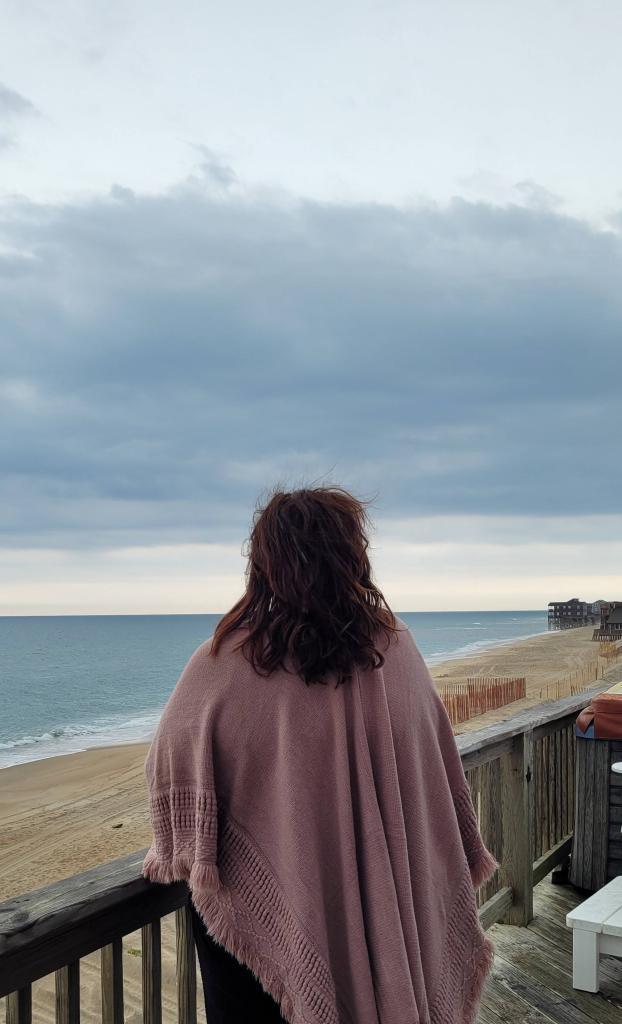
After my brother and parents passed away, and we finished settling their estate, there was a time when I actually had time to sit on the deck with a book or a quilt. It was decadent. It was glorious, and yet I felt guilty. I felt as though I needed to be doing something. Again, at the risk of sounding redundant, what the hell is wrong with me? When my elderly neighbor suffered a stroke, I would check on him often, even though he had a family next door. I worried when I did not see him watering his plants in the morning. Why did I feel I was responsible for him? Why do I have to constantly worry about something or someone? Is it just years of habit, learned behavior, or is it something more intrinsic? I still don’t know, but I do know that I do not want to spend the rest of my life anxious, guilt-ridden, and putting off things that I want to do. Fortunately, fate stepped in and gave me not so much the answers, but more of a slap in the face. After years of neglecting myself, I noticed my heart was acting strangely. Perhaps it had been for a while, but I didn’t have time to address it. After my father passed away and I had some time to breathe, I noticed some alarming symptoms, which led me to a cardiologist. Long story short, apparently, I had a genetic heart defect, which resulted in me having to have one of my heart valves replaced. The doctors said I have had it since birth, so I probably didn’t notice the symptoms gradually creeping in and getting progressively worse. I also admitted I had noticed some increasingly pervasive symptoms, but attributed them to stress and thought “I’ll take care of it after I help my parents through my brother’s death, or make sure my father takes care of himself after my mother’s death or after we sell the house, or at the end of the semester, or after my son’s wedding or………” Well, you get it, taking care of myself was not even on the radar, and it could have cost me my life.

I remember talking to my cardiologist after my successful surgery and telling her I still had so much anxiety. I was always waiting for the other shoe to drop, and it was ticking me off because my life should be relatively calm at this point. She told me that I had been living under so much stress for so long that my body knew no other way to react. She compared it to muscle memory in athletes. That made so much sense, but what to do about it still eluded me. But then, little by little, my brain was starting to grasp the basic concept of self-care. After surgery, I went to Cardiac rehab for three months, 3 times a week. At first, it was so difficult, but by the end, I was sailing through the workouts, and I started to feel better and gain confidence. Afterwards, I made sure to schedule time to exercise and take care of me. I had to stop looking at the big picture and take things one step at a time. So that is how I decided to look at self-care. One step at a time. The first step was learning how to say “no”. For such a small word, I found it incredibly difficult to say. If a friend asked me to do something I wasn’t crazy about, I would always agree to go, so as not to hurt her feelings. One day, I decided to decline an invitation with no excuses. I really didn’t have other plans, but just wanted to take a walk by the river on a beautiful day. I told my friend I couldn’t make it and left it at that. It was not easy at first because, well, you know, I felt bad, but as time went on, it started to get easier. I also discovered that saying “no” didn’t cost me a friendship. She didn’t get upset, and I admit that surprised me. Armed with that knowledge, I tentatively worked the word “no” into a few other situations. If I had a lot going on that week, I would decline observing a classroom as a favor to a director and instead ask if we could reschedule. Two years ago, I would never have done that. But I’m gradually learning to set boundaries for myself and, even more importantly, live within said boundaries.
I still struggle with guilt. In the back of my mind I am always thinking, “I’m sure she could use my help with that student, yet here I am going for a walk in the park or reading.” I don’t know if the guilt will ever go away, but at least I am absorbing it while trying to do what is best for me. It’s still a struggle, but now guilt is often more of an annoying gnat rather than a crushing boa constrictor. I know that is a healthier way to live, especially given my snake phobia! Self-care is easier to comprehend when I remember the airplane analogy: When the oxygen masks come down, put yours on first, so you are able to assist others. Maybe the reason we need to take care of ourselves is so we can better take care of other people. Maybe self-care is not so selfish after all, but rather more on the selfless side. After all, if we are not physically or mentally healthy, what good are we to others? In that state, we may not be there for them should they really need our help.

My brother Frank does not suffer from the anxiety that plagues me. He is living his best life, as he should. I hate to admit it, but I am a bit jealous of him. Perhaps I always have been. He is constantly traveling to exciting places. Even his “quick weekend” getaway sounds exotic to me! Is he selfish? Absolutely not! He has always been a good person and a great and loving big brother. If I need him, I know he will be here without hesitation. When I had my heart surgery, he offered to change his plans to stay with me. When I need to talk, he is always available, but he can take care of his needs while still caring about others. For example, when going through one of the many family crises that have plagued us over the last several years, while always available to help, he still made sure he took care of himself. One day, I went to wake him to accompany us to my mother’s doctor appointment. I remember thinking, “How can he still be asleep, with all this going on?” But he was refreshed when he awoke, while I was a zombie from staying up all night, worrying, making unnecessary lists, and plagued by “what ifs”. When Frank was ready to get to work, he was clear-headed, while I was sleepwalking. In retrospect, I see that his ability to balance his needs with the family concerns is such a gift. Admittedly, when I was exhausted, I felt some resentment toward him, which I know now was ridiculous. He lives thousands of miles away. He was not around to see the day-to-day stress of supporting elderly parents. One time when talking to a friend, I said ” I wish Frank could help out a little more,” and my friend said simply, “Have you asked him?” And that hit me like a bucket of cold water. She was right! This was on me. I never ask for help, which I suppose is yet another level of self-care. There is no shame in saying, “I can’t do this on my own.” If we always make things look easy, how is the other person to know we’re secretly drowning? When I called and told him that I needed him and asked him to come home, he was on a plane the next day. When my mother passed away, I asked Frank if he could stay an extra week so Dad wouldn’t have to be alone. I needed a week to close out the winter semester, and then I would return. He didn’t even question it, but was on the phone with the airlines changing his flight. He knows how to care for those he loves, but never at the expense of his own health and well-being! But he doesn’t instinctively know when we need help, and while I wish he did, because I hate asking for help, we all deal with things differently, and all we can do is act accordingly. I used to be jealous of Frank’s musical talent, but I think I am more jealous of his ability to master the oxygen mask. A feat, I am hoping, if not to master, then at least to become proficient.
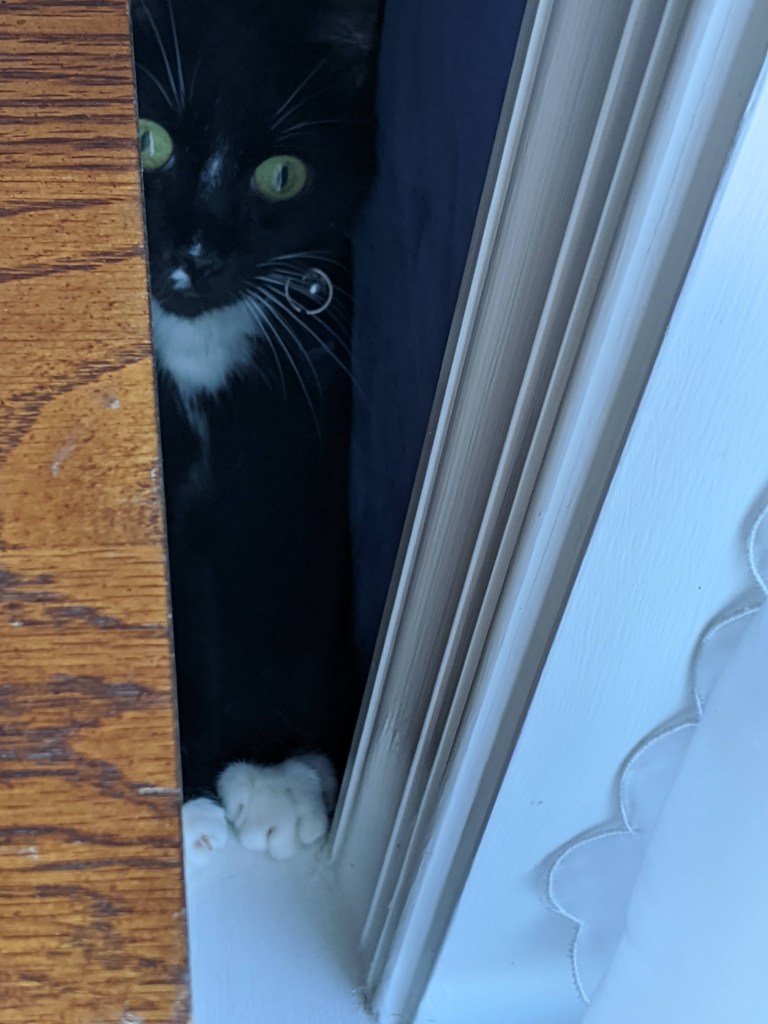
Although, perhap all my hypothesizing is only making the situation more complicated. I have a sweatshirt that says, “Excuse me while I overthink this”. That sums me up in a nutshell. Perhaps it’s not genetic, and I have no one to blame but myself when it comes to making my life harder than it should be. I had a bit of an epiphany while sitting with my cat in my lap the other day. I was thinking of the many differences between cats and dogs, and one very prominent distinction leapt out at me. When I had dogs, if someone rang the doorbell or an unknown person came to the door, my dog would bark, warning me. If the same happened with my cat, she would jump up and hide. In retrospect, the dog was more faithful, more selfless. He would warn me, protect me, and had it been an intruder, it wouldn’t have ended well for him. But my cat instinctively took care of herself. She hid and would likely be safe. The dog seems more noble, and the cat more selfish, but who would survive in a real crisis? And if we don’t survive, what good are we to anyone? Perhaps we can learn from them both. We want to help, we want to protect, but we can’t ignore our own needs and basic survival instinct.
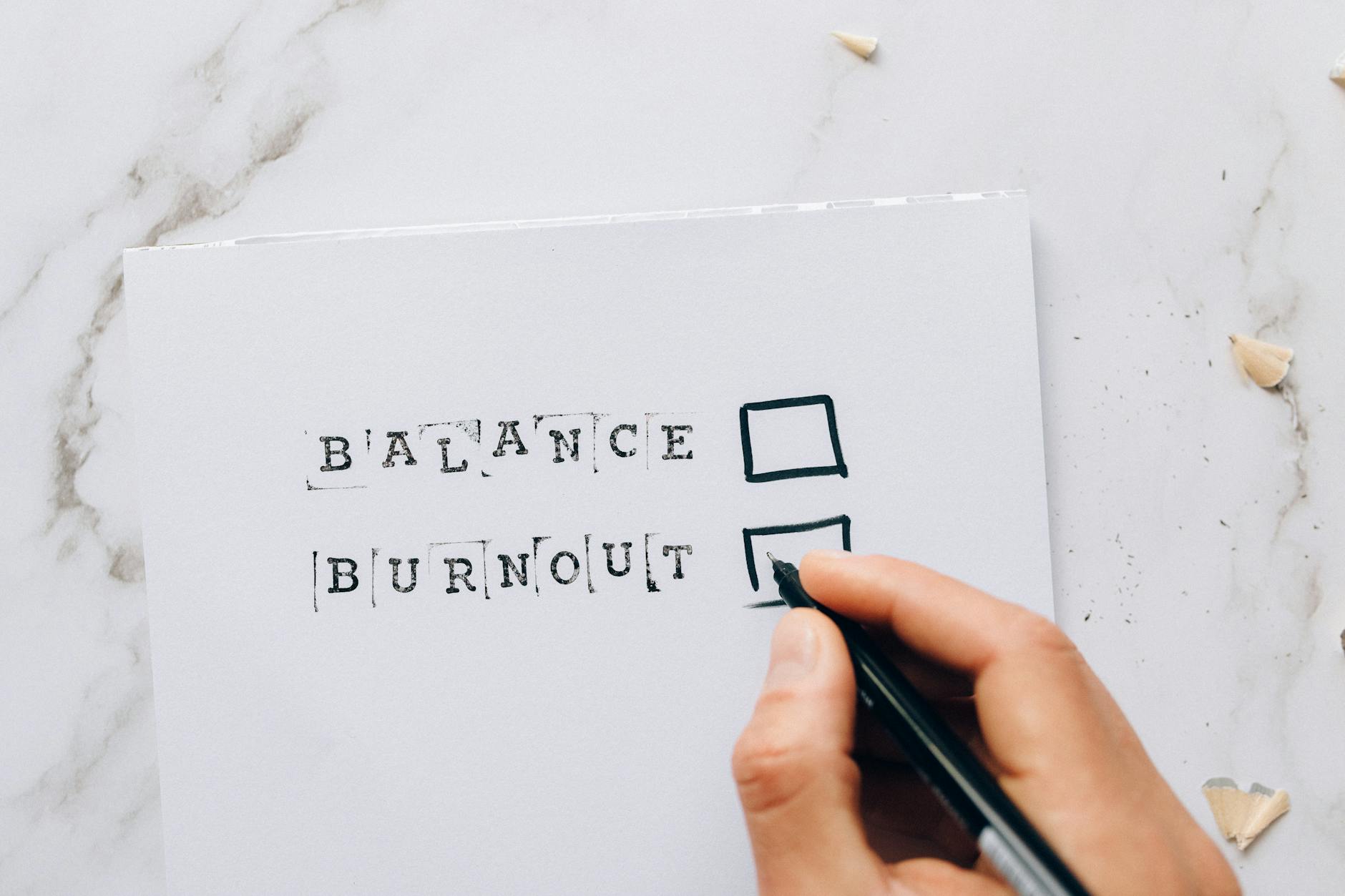
We are all born with different traits and different manners of expression, so perhaps the key is balance. We need to learn that we can and sometimes should put ourselves first, while still caring about others. One doesn’t necessarily preclude the other, but the key is prioritizing. We need to learn that surviving is essential if we are to be there for ourselves as well as other people. There should be no guilt in surviving. We can take care of ourselves and not turn into selfish jerks. It’s a balancing act, but one we, or at least I, need to learn.
I’m still a work in progress, but I will say, after I finish this post, I plan on grabbing my book and plopping outside on one of the comfy deck chairs, watching the birds, while I read, with my phone on silent. I will, on occasion, stop, think about what I should be doing, who I should call, and check up on, etc. But now, like those annoying gnats, I will swat them away, regroup, and start another chapter. At least that’s the plan, until my neighbor comes out, looking lonely and wants to chat and I …..you know, feel bad.

 New Endings